January 15, 2026
Tree disposal is often an essential part of maintaining both the safety and visual appeal of your property. Whether a tree is suffering from disease, showing signs of structural weakness, or was damaged during a storm, removing it properly is crucial to prevent hazards. The process involves careful planning, evaluating tree health, and selecting the right approach to minimize disruption. From understanding local regulations to preparing the site and considering environmental impact, proper preparation ensures a safe and efficient outcome. In this article, we’ll guide you through all the steps necessary for successful tree removal and show how professional support can streamline the process.
Evaluate Tree Health and Safety
Assessing a tree’s health is the first step in determining whether removal is required. Signs such as dead branches, fungal growth at the base, or discolored leaves may indicate decay or disease, posing a potential threat to people and property. Structurally compromised trees are particularly dangerous during storms or high winds, making early detection essential. Consulting with a professional helps determine whether pruning is sufficient or if full tree clearing is necessary. Proactive evaluation reduces risks and prevents costly damage in the future.
Consult With Arborists
Certified arborists are invaluable when planning tree clearings. They can identify internal decay, root damage, or other issues invisible to most property owners. Arborists also provide guidance on alternatives, including pruning or strategic canopy reduction, that may extend the life of a tree while maintaining safety. Engaging an arborist ensures informed decisions, helping property owners balance safety, cost, and aesthetics. Their expertise supports both residential and commercial tree disposal projects.
Understand Local Regulations
Before removing any tree, understanding local ordinances is critical. Certain species or older, larger trees may require permits before removal. Noncompliance can lead to fines or legal complications, so familiarizing yourself with regulations is necessary. Working with a licensed tree removal company ensures that all local guidelines are respected, streamlining the permitting process and preventing potential disruptions.
Determine the Best Time for Removal
Timing can influence both safety and cost in tree disposal. For instance, dormant seasons — typically winter — are ideal, reducing stress on surrounding plants. Seasonal wildlife considerations, such as nesting periods, should also be factored in to minimize environmental impact. Scheduling removal when the ground is firm improves access for machinery, while avoiding wet or muddy periods reduces risk. Planning the timing carefully ensures efficient and environmentally-conscious tree clearings.
Identify Tree Species and Risks
Knowing the species of the tree helps anticipate challenges during removal. Some species have extensive root systems or brittle wood, requiring specialized techniques. According to This Old House, large trees over 30 feet tall often cost more to remove than smaller ones due to specialized equipment, increased risks, and greater material volume. Recognizing the tree’s characteristics allows for accurate budgeting, equipment preparation, and safe removal practices.
Get Multiple Quotes for Tree Removal
Obtaining multiple estimates helps ensure a fair price and comprehensive services. Costs vary depending on tree size, location, and company experience. Requesting detailed quotes allows property owners to compare services and anticipate potential expenses. Engaging multiple companies also provides leverage for negotiating terms, ensuring a cost-effective approach to tree disposal without sacrificing safety or quality.
Understand Cost Factors
Several variables affect tree-clearing pricing. Height and trunk diameter, accessibility, and proximity to structures all influence cost. According to This Old House, large trees, particularly those exceeding 30 feet, demand specialized equipment and careful handling, increasing expenses. Recognizing these factors early allows for more accurate budgeting and fewer surprises during the removal process.
Schedule Removal With Efficiency
Coordinating with a professional service ensures that tree removal occurs smoothly and on time. Choosing periods that minimize disruption — while considering weather and seasonal conditions — improves efficiency. If removing multiple trees, arranging services sequentially can save money and time, as companies often offer package deals. Thoughtful scheduling enhances both safety and operational efficiency.
Determine Additional Services Needed
Tree disposal often includes supplemental services like stump grinding, wood chipping, or debris cleanup. Understanding these needs ahead of time ensures that quotes accurately reflect the full scope of work. Comprehensive planning simplifies post-removal cleanup and leaves the property ready for landscaping or other enhancements.
Prepare the Site for Safe Removal
Clearing the area around the tree is essential for safety. Remove furniture, potted plants, and decorative items, and ensure pets and children remain at a safe distance. Properly marking boundaries communicates the working area to both personnel and residents, creating a secure environment for tree removal operations.
Protect Surrounding Vegetation
Preventing damage to nearby plants and lawns is critical. Use temporary barriers or mulch to shield sensitive areas from falling debris or heavy equipment. Discussing equipment access paths with your service provider ensures minimal disruption to surrounding landscaping, preserving the beauty and health of your garden post-removal.
Mark Boundaries and Hazards
Clearly identifying the removal area and potential hazards is vital. Flags, signs, or markers guide machinery while keeping sensitive areas protected. Identifying underground utilities or low-hanging wires before starting prevents accidents and streamlines the operation.
Ensure Safe Access for Equipment
Machinery requires safe and unobstructed access to remove trees efficiently. Clearing pathways, trimming overgrowth, or reinforcing weak surfaces ensures equipment can operate safely. Proper access planning avoids delays and protects existing property features during tree clearing.
Communicate With Neighbors
Informing neighbors about scheduled tree disposal fosters cooperation and understanding. Advance notice of noise, equipment use, or potential disruptions encourages goodwill and prevents conflicts. Clear communication also helps coordinate work near shared property lines when applicable.
Check Credentials
Hiring a fully licensed tree removal service protects against liability in case of accidents. Confirming credentials guarantees that professionals meet industry standards, providing peace of mind throughout the project.
Read Reviews and References
Online reviews and personal references provide insight into a company’s reliability and service quality. Evaluating prior customer experiences helps identify dependable tree-clearing services and informs expectations regarding project execution.
Understand Service Agreements
Reviewing contracts in detail clarifies responsibilities, scope, and costs. Include timelines, cancellation policies, and post-removal warranties in discussions with the provider. A clear agreement ensures accountability and smooth coordination during tree disposal.
Assess Safety Practices
Strong safety protocols reduce accidents and property damage. Inquire about training, safety equipment, and past safety records. Companies that prioritize safety create secure work environments, essential when handling large or hazardous trees.
Ensure Equipment Availability
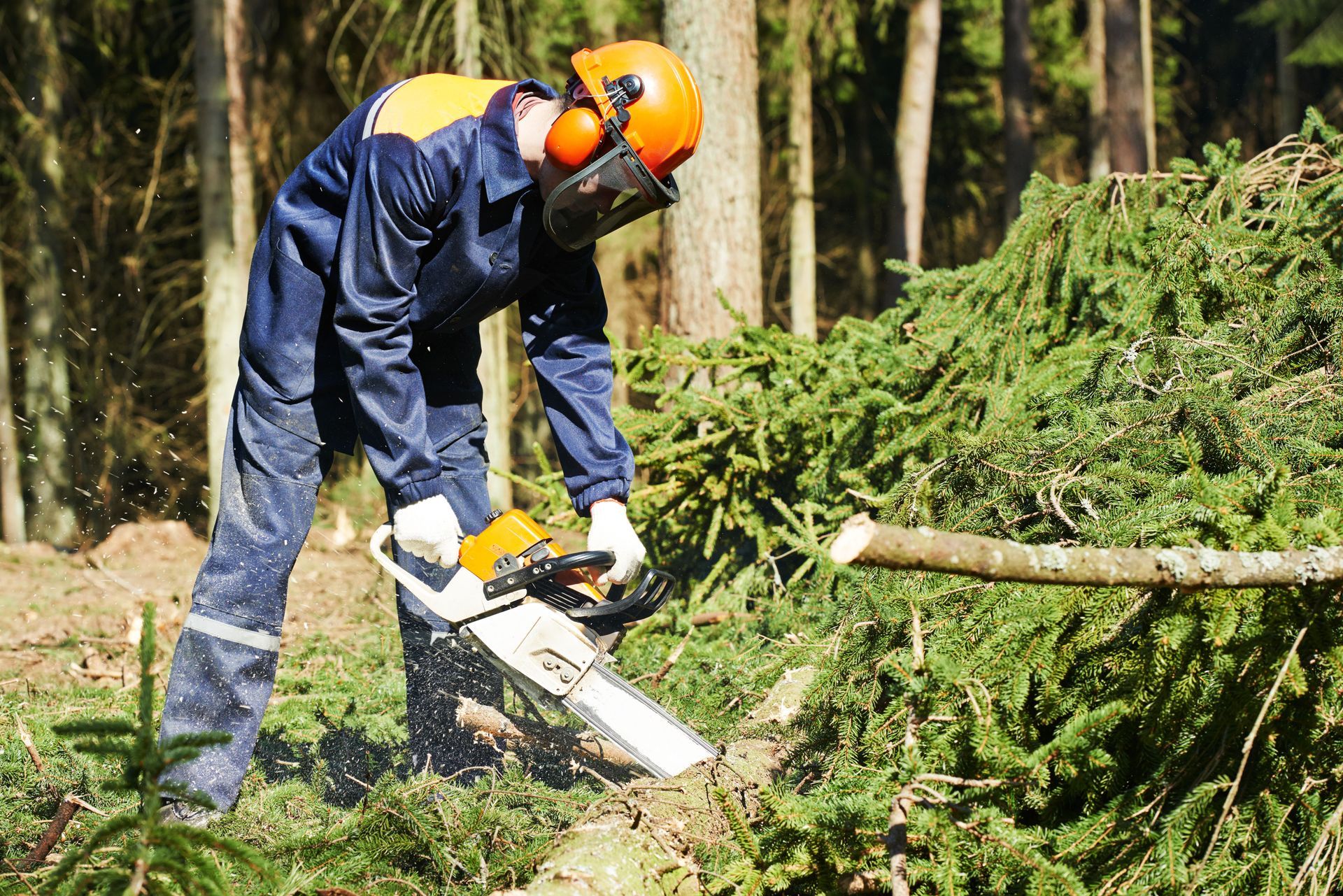
Tree removal, particularly for large or challenging trees, requires specialized equipment. Chainsaws, cranes, grinders, and other machinery ensure safe and efficient removal. Verifying equipment availability prevents delays and guarantees professional standards are maintained.
Manage Debris and Stumps
Post-removal cleanup is essential to restore your property. Removing branches, logs, and sawdust leaves the site safe and prepared for landscaping. Stump grinding or complete removal ensures smooth surfaces, preventing hazards and allowing for future planting or lawn restoration.
Restore Lawn and Garden Areas
Assessing and repairing damage to lawns and gardens ensures the property remains visually appealing. Replanting grass, aerating soil, and adding protective mulch help revitalize the area after removal operations. Planning future plantings can optimize sunlight, drainage, and aesthetics.
Promote Soil Health and Erosion Control
Removing trees can impact soil stability. Employ mulch, ground covers, or terraces to reduce erosion and enhance soil quality. Adding organic matter supports microbial activity and overall soil health, fostering sustainable landscaping long-term.
Reflect on Environmental Impact
Tree clearing affects carbon sequestration and local ecosystems. Offset removal impacts by planting replacement trees, protecting wildlife habitats, and practicing sustainable disposal of debris. Balancing property management with environmental considerations demonstrates responsible stewardship.
Successfully preparing your property for tree clearing involves thorough planning, evaluation, and execution. From understanding tree health and local regulations to ensuring site safety, equipment readiness, and environmental care, every step contributes to a smooth and safe removal process. We at Southeastern Limb & Tree provide comprehensive commercial and residential tree care services, including tree disposal, trimming, stump grinding, and emergency support. By partnering with experienced professionals, you can approach tree removal with confidence, protecting your property and creating opportunities for a renewed and healthy landscape.